Top Foods for Male Sex Health: A Practical Eating Guide
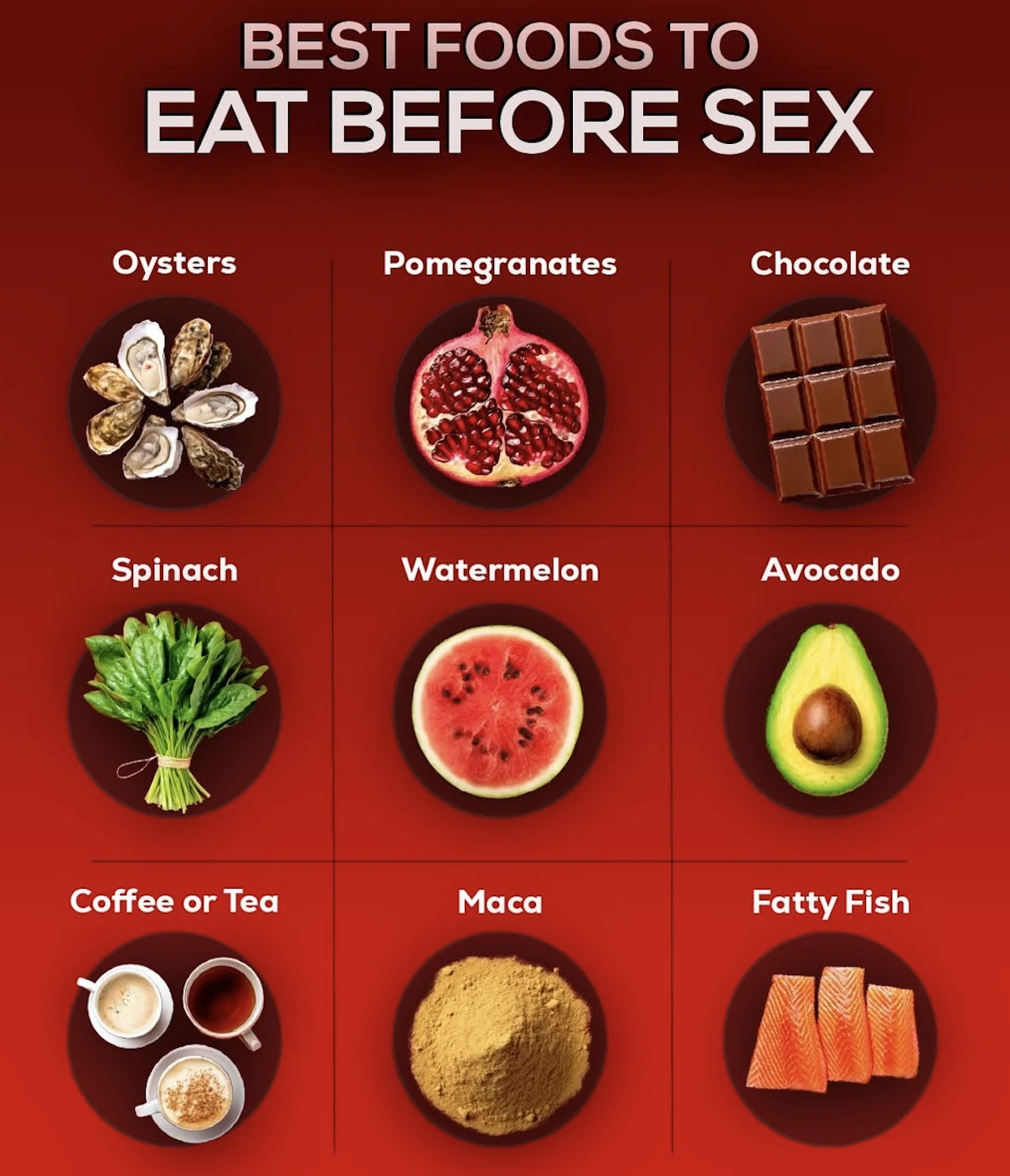
Quick summary: Male sexual health depends heavily on two systems diet directly influences — blood flow and hormone production. A handful of specific foods are consistently linked to both, and building them into your normal week matters more than any single "superfood."
Leafy Greens and Beets: The Nitric Oxide Connection
Spinach, arugula, and beets are rich in dietary nitrates, which your body converts into nitric oxide — the same compound responsible for relaxing and widening blood vessels. Better blood vessel function means better blood flow throughout the body, including to erectile tissue. This is one of the more direct, mechanistic links between a specific food group and sexual performance.
Oysters and Zinc
Oysters have a long folk reputation as an aphrodisiac, and there's a real nutritional basis for it: they're one of the richest natural sources of zinc, a mineral directly tied to testosterone production. Zinc deficiency is one of the more well-documented nutritional causes of low testosterone, so ensuring adequate zinc intake — through oysters, beef, or pumpkin seeds — is a legitimate, evidence-based recommendation.
Fatty Fish and Omega-3s
Salmon, mackerel, and sardines are rich in omega-3 fatty acids, which support healthy cholesterol levels and reduce inflammation — both relevant to long-term cardiovascular health. Since erectile function is essentially a blood flow issue, anything that supports vascular health over the long run indirectly supports performance.
This is general educational information, not medical advice. See our full disclaimer, and consult a doctor or registered dietitian for personalized nutrition guidance.
Berries and Citrus: Flavonoids
Berries, citrus fruits, and dark chocolate are rich in flavonoids, plant compounds linked in multiple studies to better endothelial function — essentially, how well your blood vessels dilate and function. Some population studies have specifically linked higher flavonoid intake to lower rates of erectile dysfunction.
Nuts, Olive Oil, and Healthy Fats
Since testosterone is synthesized from cholesterol, adequate healthy fat intake matters for hormone production. Nuts, olive oil, and avocado provide monounsaturated fats linked to better cardiovascular and hormonal outcomes compared to diets heavy in processed or trans fats.
Watermelon and Citrulline
Watermelon contains citrulline, an amino acid your body converts to arginine and then nitric oxide — following a similar blood-flow pathway to the nitrates in leafy greens, through a different mechanism. It's one of the more specifically-cited fruits in nutrition research on this topic.
What to Cut Back On
- Excess processed and fried foods — linked to poorer cardiovascular health and increased inflammation.
- Excess alcohol — impairs nervous system signaling acutely and is linked to lower testosterone with chronic heavy use.
- Very low-fat, extreme diets — can backfire on testosterone production despite seeming "healthy."
Building a Practical Weekly Pattern
You don't need to eat all of these foods every day. A realistic pattern: leafy greens or beets a few times a week, fatty fish twice a week, a handful of nuts daily, berries or citrus as your regular fruit choice, and zinc-rich foods (oysters, beef, pumpkin seeds) worked in regularly. Consistency over months is what actually produces the cardiovascular and hormonal benefits — not a single perfect meal.
Where Supplementation Fits
Diet is the foundation, but a targeted daily formula can complement it. GiantMax includes L-Arginine (supporting the same nitric oxide pathway as nitrate-rich vegetables) and Tribulus Terrestris (traditionally used to support healthy testosterone) — designed to work alongside good nutrition, not replace it.
See the full ingredient panel behind GiantMax's vitality-support formula:
🌿 See GiantMax's IngredientsCommon Questions
What is the single best food for male sexual health?
There isn't one single best food — sexual health depends on cardiovascular and hormonal health broadly, which respond to a pattern of eating over time rather than any one food. That said, leafy greens and beets (for nitric oxide) and oysters (for zinc) are among the most frequently cited.
How quickly can diet changes affect performance?
Some effects, like the nitric oxide boost from nitrate-rich vegetables, can happen within hours. But the deeper cardiovascular and hormonal benefits of a better diet typically build over weeks to months of consistent eating, similar to how exercise benefits accumulate.
Can a bad diet cause performance issues?
Yes. Diets high in processed food, low in micronutrients, or chronically very low in fat are all linked to poorer cardiovascular and hormonal health, both of which affect sexual performance over time.
Bottom Line
Food genuinely matters for male sexual health, through clear, well-studied pathways — blood flow and hormone production. Building nitrate-rich vegetables, zinc sources, fatty fish, and flavonoid-rich fruits into a normal weekly pattern is a practical, evidence-based way to support performance long-term.
Complement your diet with GiantMax's daily vitality formula:
🛒 Visit the Official GiantMax Site